Maqam Beauty Educational Blog.
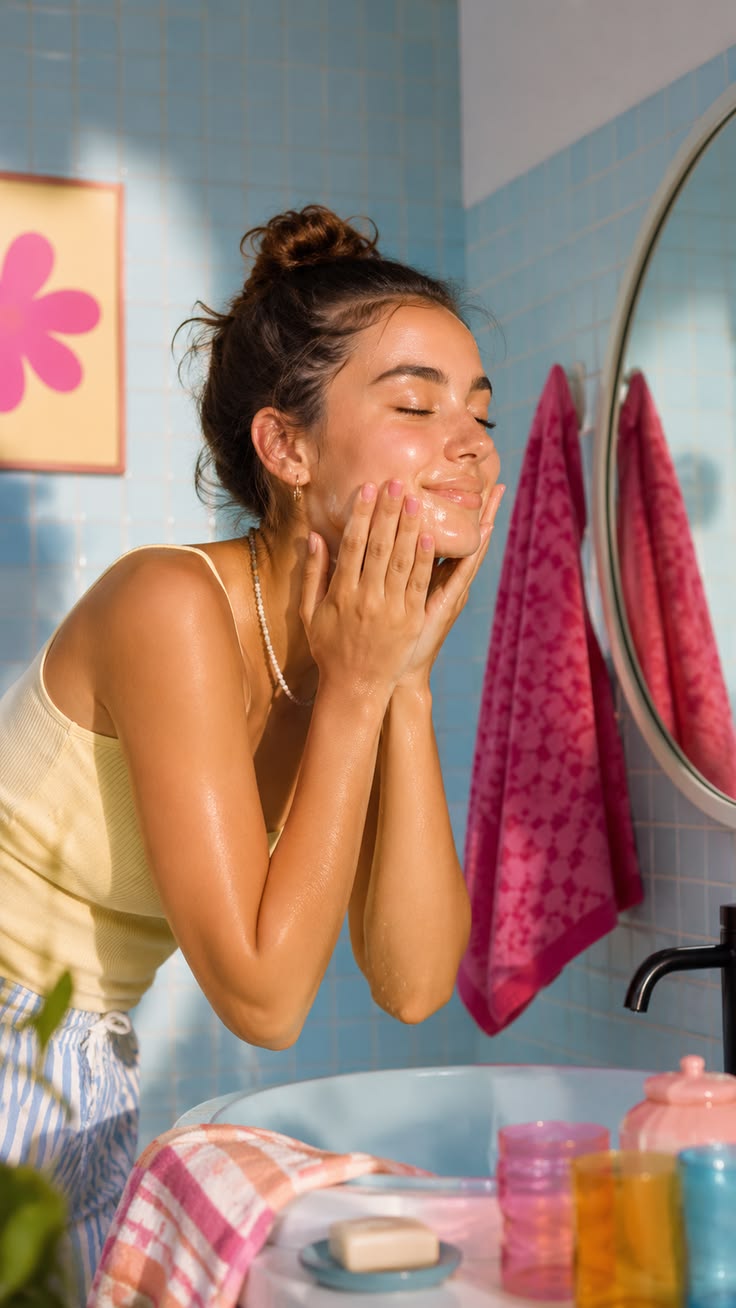

Dark Spots vs. Hyperpigmentation: What’s the Difference & How Do You Treat Them?
You notice a dark mark on your skin and immediately think: “How do I get rid of this?” But not every dark spot has the same cause—and understanding why the pigmentation appeared is an important first step toward building an effective skincare routine. The terms dark spots and hyperpigmentation are often used interchangeably, but they aren’t exactly the same thing. Let’s break down the difference, the most common types of pigmentation, what can make them worse, and how to build a consistent routine for brighter, more even-looking skin. What Is Hyperpigmentation? Hyperpigmentation is a broad term used to describe areas of skin that become darker than the surrounding skin because of increased melanin production or accumulation. Melanin is the pigment responsible for your skin, hair, and eye color. When your skin produces more melanin in a particular area, that area can appear darker. Hyperpigmentation can have several different causes, which is why there isn’t one universal solution for every dark mark. So, What Are Dark Spots? “Dark spots” is a more general term people commonly use for visible areas of increased pigmentation. For example, a dark spot left after a breakout can be a form of post-inflammatory hyperpigmentation. Other types of pigmentation can be caused by sun exposure, hormonal changes, or other skin conditions. This distinction matters because the cause of pigmentation can influence how you approach your skincare routine. 3 Common Types of Pigmentation 1. Post-Acne Marks Have you ever had a breakout disappear, only to be left with a brown or darker mark? This can happen after inflammation caused by acne or other skin irritation. These marks are particularly common in deeper skin tones, where post-inflammatory pigmentation can be more noticeable and may take longer to fade. The key is to avoid repeatedly irritating the area. Picking or squeezing breakouts can increase inflammation and potentially make the resulting pigmentation more noticeable. 2. Sun-Induced Pigmentation Sun exposure is one of the biggest contributors to uneven pigmentation. UV exposure can stimulate melanin production, which may lead to darker spots and a more uneven-looking complexion over time. This is why treating pigmentation without protecting your skin from the sun can be frustrating. You may be working to improve existing pigmentation while continued UV exposure is encouraging new pigmentation to develop. Daily sunscreen is therefore one of the most important steps in a pigmentation-focused routine. 3. Hormonal Pigmentation Hormonal changes can also contribute to pigmentation. One example is melasma, which often appears as larger patches of brown or grayish pigmentation, commonly on areas such as the cheeks, forehead, nose, and upper lip. Melasma can be particularly challenging because it can be influenced by factors such as hormones and sun exposure. If you suspect you have melasma or persistent pigmentation, professional assessment can help determine the most appropriate treatment. Why Different Pigmentation Needs Different Approaches One of the biggest skincare mistakes is assuming that every dark spot should be treated with the strongest brightening product available. More isn’t necessarily better. Aggressive exfoliation or using too many active ingredients can irritate the skin. And irritation itself can contribute to post-inflammatory pigmentation—creating a frustrating cycle. A better approach is to focus on: Consistency + appropriate actives + hydration + sun protection. Ingredients to Look For Depending on your skin type and concern, several ingredients can play a role in a brightening routine. Vitamin C Vitamin C is an antioxidant commonly used in skincare to help brighten the appearance of the skin and support protection against environmental oxidative stress. Niacinamide Niacinamide, also known as vitamin B3, can help support the skin barrier and improve the appearance of uneven skin tone. Alpha Hydroxy Acids Ingredients such as glycolic acid and lactic acid can help exfoliate the skin’s surface and improve the appearance of uneven texture and tone when used appropriately. Azelaic Acid Azelaic acid is a versatile ingredient that can be useful for concerns involving uneven tone and blemish-prone skin. Retinoids Retinoids can support skin cell turnover and are commonly used in routines targeting acne, texture, and uneven pigmentation. However, they can also cause irritation, especially when introduced too quickly, so they should be incorporated gradually and appropriately. The Most Important Step: Sunscreen If you’re trying to improve the appearance of pigmentation, don’t underestimate sunscreen. UV exposure can worsen existing pigmentation and contribute to the development of additional discoloration. A broad-spectrum sunscreen should be applied every morning and reapplied as needed based on your exposure. Think of it this way: Brightening products help you work on the concern. Sunscreen helps protect the progress you’re making. How to Build a Brightening Skincare Routine You don’t need a bathroom shelf full of products to create an effective routine. A simple approach could be: Morning 1. Gentle cleanser Start with a cleanser that cleans your skin without leaving it feeling stripped. 2. Brightening/antioxidant treatment Depending on your skin’s needs, this could include an ingredient such as vitamin C or niacinamide. 3. Moisturizer Keeping your skin hydrated helps maintain a healthy skin barrier. 4. Sunscreen Finish with broad-spectrum SPF. Evening 1. Cleanser Remove sunscreen, makeup, and daily buildup. 2. Targeted treatment Choose one appropriate active based on your specific concern. 3. Hydration Support your skin with a hydrating product. 4. Moisturizer Seal in hydration and keep your skin comfortable overnight. Don’t Make These 5 Pigmentation Mistakes 1. Picking Your Skin Picking acne or irritating existing spots can increase inflammation and contribute to post-inflammatory pigmentation. 2. Skipping SPF This is one of the easiest ways to undermine a pigmentation-focused routine. 3. Using Too Many Acids If one exfoliating product is good, five aren’t necessarily better. Over-exfoliation can lead to irritation and compromise your skin barrier. 4. Expecting Overnight Results Pigmentation usually takes time to improve. Consistency matters more than using an extremely aggressive routine for a few weeks and then giving up. 5. Changing Products Constantly Give your routine time to work before deciding that it has failed. Introducing one new product at a time also makes it easier to identify what works for your skin and what doesn’t. When Should You See a Dermatologist? Not every pigmentation concern can or should be managed with skincare alone. If pigmentation is persistent, rapidly changing, widespread, difficult to identify, or significantly affecting your skin, a dermatologist can help determine its cause and recommend appropriate treatment. This is particularly important for conditions such as melasma, which can require a more individualized approach. The Maqam Approach to Brighter-Looking Skin At Maqam, we believe skincare should be consistent, intentional, and tailored to your skin’s needs. When targeting uneven tone and pigmentation, the goal shouldn’t be to overwhelm your skin with countless active ingredients. Instead, build a routine around the essentials: Treat → Hydrate → Protect → Repeat. A well-balanced routine that combines targeted skincare with daily sun protection can help you work toward a more even, healthy-looking complexion without unnecessarily stressing your skin. The Bottom Line Dark spots are not all the same. Post-acne marks, sun-related pigmentation, and hormonal pigmentation can have different causes and may require different approaches. The most important things you can do are to understand your concern, avoid unnecessary irritation, stay consistent with your routine, and never skip your sunscreen. Because when it comes to pigmentation, patience isn’t just a virtue—it’s part of the routine.
Learn more
How to Choose the Right Shampoo for Your Hair Type
Walk into any beauty store or pharmacy, and you’ll find hundreds of shampoos promising stronger, shinier, healthier hair. From sulfate-free formulas to moisturizing, volumizing, clarifying, and repairing shampoos, choosing the right one can quickly become overwhelming. The truth is, there isn’t one shampoo that’s perfect for everyone. The best shampoo is the one that matches both your scalp and your hair’s needs. In this guide, we’ll help you understand how shampoo works, how to identify your hair type, and which ingredients you should look for to achieve healthier hair. Why Shampoo Matters? Many people think shampoo is only meant to clean the hair. In reality, shampoo is designed primarily to cleanse the scalp, removing: Dirt Sweat Excess oil (sebum) Dead skin cells Pollution Styling product buildup A healthy scalp creates the ideal environment for healthy hair growth. Using the wrong shampoo can leave your scalp too dry, too oily, irritated, or prone to dandruff. ⸻ Step 1: Know Your Scalp Type Before choosing a shampoo, identify your scalp type. Oily Scalp Signs include: Hair becomes greasy within a day Flat-looking roots Frequent need for washing Look for shampoos labeled Clarifying, Balancing, Oil control. Ingredients such as salicylic acid, tea tree oil, or zinc PCA may help manage excess oil. ⸻ Dry Scalp Common signs include tightness, flaking, itching, rough feeling after washing Choose shampoos that contain moisturizing ingredients such as: Glycerine Aloe vera Panthenol Ceramides Avoid harsh cleansing formulas that can strip away natural oils. ⸻ Sensitive Scalp A sensitive scalp may react with burning, redness, itching and irritation. Look for fragrance-free or hypoallergenic shampoos with soothing ingredients like oat extract or allantoin, and avoid unnecessary fragrances or alcohols if they trigger irritation. ⸻ Step 2: Identify Your Hair Type Your hair strands also determine which shampoo works best. Straight Hair Straight hair distributes oil more easily from the scalp, making it appear greasy faster. Best choice: Lightweight shampoos Volumizing formulas Avoid products that are overly rich, as they may weigh the hair down. ⸻ Wavy Hair Wavy hair benefits from balanced hydration. Choose shampoos that: Add moisture Control frizz Preserve natural texture ⸻ Curly Hair Curly hair tends to be naturally drier because oils have a harder time traveling down the hair shaft. Look for: Sulfate-free shampoos Moisturizing ingredients Protein-balanced formulas ⸻ Coily Hair Coily hair requires intense hydration. Choose shampoos rich in: Shea butter Coconut-derived cleansers Natural oils Glycerin Avoid frequent use of clarifying shampoos unless recommended for product buildup. ⸻ Sulfate-Free vs. Sulfate Shampoos One of the biggest debates in hair care is whether sulfate-free shampoos are always better. Sulfates Sulfates are cleansing agents that create a rich lather and effectively remove oil and buildup. They can be a good choice for people with oily scalps or those who use heavy styling products. Sulfate-Free Shampoos These formulas cleanse more gently and are often preferred for dry hair, curly hair, color-treated hair and sensitive scalps. Neither option is universally better—the right choice depends on your individual needs. ⸻ Clarifying Shampoo: When Do You Need It? Clarifying shampoos provide a deeper cleanse than everyday shampoos. They are especially useful if you Use many styling products Swim frequently Have oily hair Notice heavy product buildup However, because they cleanse more thoroughly, they should generally be used only occasionally unless advised otherwise. ⸻ Ingredients Worth Looking For Different ingredients target different concerns. For hydration Glycerin Hyaluronic acid Aloe vera Panthenol For damaged hair: Keratin Hydrolyzed proteins Amino acids For oily scalps: Salicylic acid Tea tree oil Zinc PCA For dandruff: Zinc pyrithione Selenium sulfide Ketoconazole (in medicated shampoos) ⸻ Common Shampoo Mistakes Many hair concerns are caused not by the hair itself but by incorrect washing habits. Avoid these common mistakes: Using too much shampoo Washing with very hot water Scrubbing aggressively with your nails Applying shampoo mainly to the hair lengths instead of the scalp Skipping conditioner entirely Changing shampoos too frequently without giving them time to work ⸻ How Often Should You Wash Your Hair? There is no universal rule. As a general guide: Oily scalp: every 1–2 daysNormal scalp: every 2–3 daysDry or curly hair: every 3–7 days Wash based on your scalp’s needs rather than a fixed schedule. ⸻ Do Expensive Shampoos Work Better? Not necessarily. A higher price does not always mean better performance. The most effective shampoo is one that matches your hair type, scalp condition, and personal concerns. Reading ingredient lists and understanding your hair’s needs is often more important than focusing on brand names. ⸻ Final Thoughts Healthy hair begins with a healthy scalp, and choosing the right shampoo is one of the simplest yet most important steps in any hair care routine. Rather than following trends or buying products based solely on attractive packaging, focus on understanding your scalp type, hair texture, and individual needs. The right shampoo should cleanse effectively without stripping away essential moisture, leaving both your scalp and hair feeling balanced and healthy. At Maqam Cosmetics, we believe that great hair starts with informed choices. Explore our carefully selected range of hair care products to find shampoos and treatments designed for every hair type and concern, helping you build a routine that truly works for you.
Learn more
The Perfect Summer Skincare Routine for Egyptian Weather
Why Summer Skincare Is Different Egypt’s hot climate, intense sun exposure, and humidity require adjustments to your skincare routine. Morning Routine Gentle Cleanser, Remove overnight oil and sweat. Vitamin C Serum, Protect against environmental stressors and brighten skin. Lightweight Moisturizer, Hydration is still important, even for oily skin. Sunscreen SPF 50+, Choose a broad-spectrum formula suitable for daily use. Evening Routine Cleanser, Remove sunscreen, dirt, and excess oil. Hydrating Serum, Use ingredients like hyaluronic acid. Moisturizer, Restore hydration overnight. Summer Skincare Tips Drink plenty of water Avoid over-exfoliating Wear sunglasses and hats Reapply sunscreen regularly Final Thoughts A simple and consistent routine is often the best approach during Egypt’s summer months.
Learn more
Common Sunscreen Mistakes That Cause Pigmentation
Why Do Dark Spots Appear Even When You Wear Sunscreen? Many people use sunscreen daily but still experience pigmentation because of common application mistakes. Mistake #1: Not Applying Enough Most adults need approximately two finger lengths of sunscreen for the face and neck. Mistake #2: Forgetting Reapplication Sunscreen protection decreases throughout the day. Reapply every two hours when outdoors. Mistake #3: Skipping Certain Areas Commonly missed spots include: Ears Hairline Neck Mistake #4: Using Sunscreen Only During Sunny Days UV rays can penetrate clouds, making daily use essential. Mistake #5: Relying Solely on Makeup SPF Foundation and tinted products rarely provide adequate protection on their own. Final Thoughts Correct sunscreen use is one of the most effective ways to prevent pigmentation and maintain an even complexion.
Learn more
Do You Really Need Sunscreen Every Day?
The Short Answer: Yes Many people believe sunscreen is only necessary at the beach or during summer. In reality, UV rays are present year-round and can damage your skin even on cloudy days. What Happens Without Sunscreen? Daily sun exposure can contribute to: Premature aging Fine lines and wrinkles Dark spots and hyperpigmentation Uneven skin tone Increased risk of skin cancer Can You Get Sun Damage Indoors? Surprisingly, yes. UVA rays can penetrate windows and contribute to long-term skin aging. Benefits of Daily Sunscreen Use: Prevents Premature Aging Regular SPF use helps maintain youthful-looking skin. Reduces Hyperpigmentation Sunscreen prevents existing dark spots from becoming darker. Protects Skin Health It acts as a shield against harmful UV radiation. Final Thoughts If you’re investing in skincare products but skipping sunscreen, you’re missing one of the most important steps in maintaining healthy skin.
Learn more
The Correct Order of Skincare Products: A Beginner-Friendly Guide
Why Does Skincare Order Matter? Using high-quality skincare products is important, but applying them in the correct order is equally essential. Layering products properly helps your skin absorb active ingredients effectively and maximizes their benefits. The Correct Morning Skincare Routine Step 1: Cleanser Start with a gentle cleanser to remove excess oil, sweat, and impurities. Step 2: Toner (Optional) A toner helps balance the skin and prepares it for the next steps. Step 3: Serum Apply targeted treatments such as Vitamin C for brightening and antioxidant protection. Step 4: Moisturizer Hydrate and strengthen your skin barrier. Step 5: Sunscreen The most important morning step. Apply a broad-spectrum SPF 30 or higher every day. The Correct Evening Skincare Routine Step 1: Cleanser Double cleansing is recommended if you wear makeup or sunscreen. Step 2: Treatment Products Apply retinol, exfoliating acids, or other treatment serums. Step 3: Moisturizer Seal in hydration and support overnight skin repair. Final Thoughts The general rule is to apply products from the thinnest consistency to the thickest. A simple, consistent routine often delivers better results than using too many products at once.
Learn more
5 Signs Your Skin Is Dehydrated (Not Dry!)
Many people think dry skin and dehydrated skin are the same thing—but they’re actually very different. Dry skin lacks oil. Dehydrated skin lacks water. And yes, even oily skin can become dehydrated. What Causes Dehydrated Skin? Common causes include: * Hot weather* Air conditioning* Excessive cleansing* Not drinking enough water* Overuse of exfoliating products* Lack of proper skincare hydration Sign #1: Your Skin Feels Tight One of the earliest signs of dehydration is tightness, especially after washing your face. If your skin feels stretched or uncomfortable, it may be craving hydration. Sign #2: Fine Lines Look More Noticeable Dehydrated skin often shows temporary fine lines that become less visible after proper hydration. This is because water helps keep skin plump and smooth. Sign #3: Your Skin Looks Dull Healthy skin reflects light naturally. When skin lacks water, it can appear tired, flat, and lacking in radiance. Sign #4: Your Makeup Doesn’t Sit Well Foundation may look patchy, settle into fine lines, or appear uneven throughout the day. This can be a sign that your skin needs hydration. Sign #5: Your Skin Produces More Oil Surprisingly, dehydration can trigger excess oil production. Your skin may try to compensate for water loss by producing more sebum. How to Rehydrate Your Skin? Choose Hydrating Cleansers Avoid cleansers that leave your skin feeling stripped. Layer Hydration Apply hydrating products while your skin is still slightly damp. Use a Moisturizer Moisturizers help seal hydration into the skin. Protect Your Skin Barrier Hydration and barrier repair work hand in hand. Best Ingredients for Dehydrated Skin Look for products containing: * Hyaluronic Acid* Panthenol* Glycerin* Aloe Vera* Ceramides Give Your Skin the Hydration It Needs If your skin feels tight, dull, or uncomfortable, dehydration could be the culprit. Incorporating hydrating products such as Tetra Hydro and gentle hydrating cleansers can help restore moisture and improve your skin’s overall appearance. Discover Maqam’s hydration essentials and bring your skin back to life.
Learn more
Why Your Skin Barrier Is Damaged (And How to Repair It)
Your skin barrier is your body’s first line of defense. When it’s healthy, your skin feels smooth, comfortable, and hydrated. When it’s damaged, everything from dryness to irritation becomes more noticeable. The good news? A damaged skin barrier can often be repaired with the right approach. What Is the Skin Barrier? The skin barrier is the outermost layer of your skin. Think of it as a protective wall that keeps moisture in and harmful irritants out. When this barrier weakens, your skin becomes vulnerable. Signs Your Skin Barrier May Be Damaged You may notice: * Increased dryness* Tightness after washing* Redness* Flaking* Sensitivity to products that never bothered you before* Rough texture* Persistent irritation What Causes Skin Barrier Damage? Over-Exfoliation Using exfoliating acids or scrubs too often can weaken the skin’s natural defenses. Harsh Cleansers Strong cleansers may remove essential oils and disrupt the skin barrier. Environmental Stress Sun exposure, pollution, wind, and dry weather all contribute to barrier damage. Using Too Many Active Ingredients Combining retinol, acids, vitamin C, and exfoliants without guidance can overwhelm the skin. Lack of Hydration Dehydrated skin struggles to maintain a healthy barrier. How to Repair Your Skin Barrier Simplify Your Routine Temporarily reduce active ingredients and focus on gentle, nourishing products. Prioritize Hydration Hydrating ingredients help replenish lost moisture and support recovery. Look for: * Hyaluronic Acid* Glycerin* Panthenol Use Barrier-Supporting Moisturizers Ingredients such as ceramides and fatty acids help strengthen the skin’s natural defenses. Protect Your Skin Daily Sun protection prevents further damage and gives your skin time to heal. How Long Does Repair Take? Mild barrier damage can improve within a few weeks. More severe cases may require several months of consistent care. Patience is important. Skin recovery is a gradual process. Support Your Recovery with Maqam Maqam’s hydration-focused products are designed to help replenish moisture and comfort stressed skin. Products like Tetra Hydro and gentle cleansers can help support a healthier-looking skin barrier while reducing feelings of dryness and tightness. Restore your skin barrier with Maqam’s Hydration Essentials.
Learn more
How to Build a Simple Skincare Routine for Sensitive Skin
Sensitive skin can feel like a constant guessing game. One product works for your friend, but leaves your skin red, itchy, or irritated. If this sounds familiar, don’t worry—you don’t need a complicated 10-step routine to achieve healthy skin.
Learn more